Announcing
Read philosophy with me.
A brainy Christian reading group in philosophy of religion and theology—close reading, hard questions, serious but friendly discussion. Let’s go!
What’s included…
- Weekly reading assignments
- My in-depth Q&As
- Subscriber-only essays
- Prayers
- A growing PDF library, including drafts of God Exists
- See the seminar plan
How it works…
No grades. Read at your own pace, but I aim for about 10–20 pages per week. Level: advanced undergraduate to graduate. More about how it works.
For a limited time:
One-Month Free Trial
(no credit card required)
Cancel anytime. Secure checkout via Stripe.
Nine Theses on Wikipedia: A Special Feature
I submit these nine theses to Wikipedia’s community and to the world. I do this, as Martin Luther said when he posted his famous 95 theses, “Out of love for the truth and the desire to elucidate it.”
My Blog
-
Wikipedia’s new CEO says “the door is open,” but they banned me for walking through it
This was initially an X.com thread. In it, I respond to a July 16, 2026 New York Times article on the Wikimedia Foundation’s pick for a new CEO. “The door is open” to
No comments on Wikipedia’s new CEO says “the door is open,” but they banned me for walking through it6 minutes
-
Even Claude finds bias throughout Wikipedia
This afternoon, I performed a simple experiment with Claude Opus 4.8 Max. Prompt: “Define ten culture war topics, chosen as a group for breadth (not weighted toward any one discipline). Then look up
13 minutes
-
Where I Disagree with the New Polytheists
A little over two weeks ago, I wrote a blog post, which was an elaboration of an X.com thread. The topic: How many gods are there? The thread and, to a lesser extent
15 minutes
-
“There is none else beside him”
This is an essay on whether there are multiple gods, according to the Bible. Suffice it to say that there were strong opinions about the May 18 previous version of this; the following
21 minutes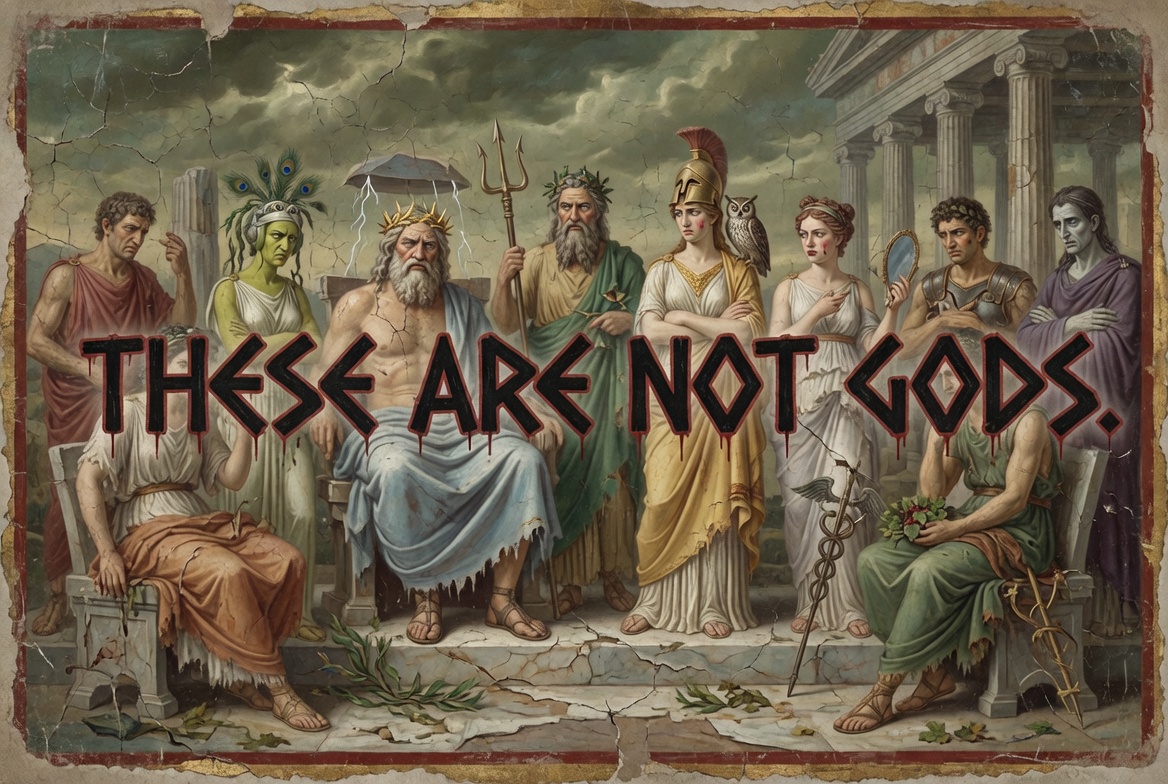
-
Nature Agreed to Publish My Wikipedia Letter—Then Ghosted Me
Earlier this year, leading scientific journal Nature published an editorial lavishing effusive praise on Wikipedia, writing that it is “an antidote to an increasingly poisoned information ecosystem.” Naturally (no pun intended), as co-founder,
5 minutes
-
The Principles of Reading Order: A Research Program
Abstract: Much of education may be reduced to a sequencing problem: Given a set of books, in what order should they be read? This question admits of surprisingly rigorous treatment. We can identify
13 minutes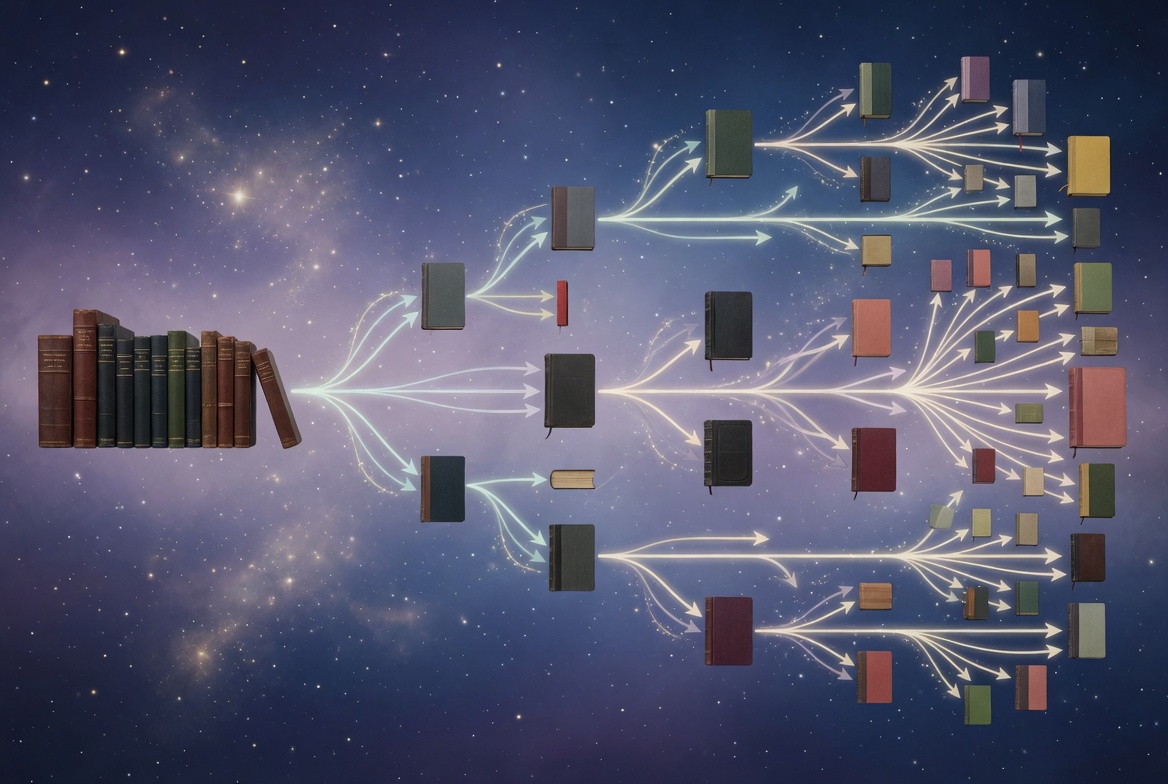
-
Seminarium Theologico-Philosophicum: Update and Invitation
We are well into our study of Aristotle in the Seminarium Theologico-Philosophicum (STP), my reading group in philosophy of religion and philosophical theology. This is hard, but essential to our task. But, you
8 minutes -
A Harmony of the Passion Story
The following is a new “synthetic” Harmony of the Gospels—covering the passion story through the end of all four gospels. Following the harmony itself I will give notes on how I prepared this,
97 minutes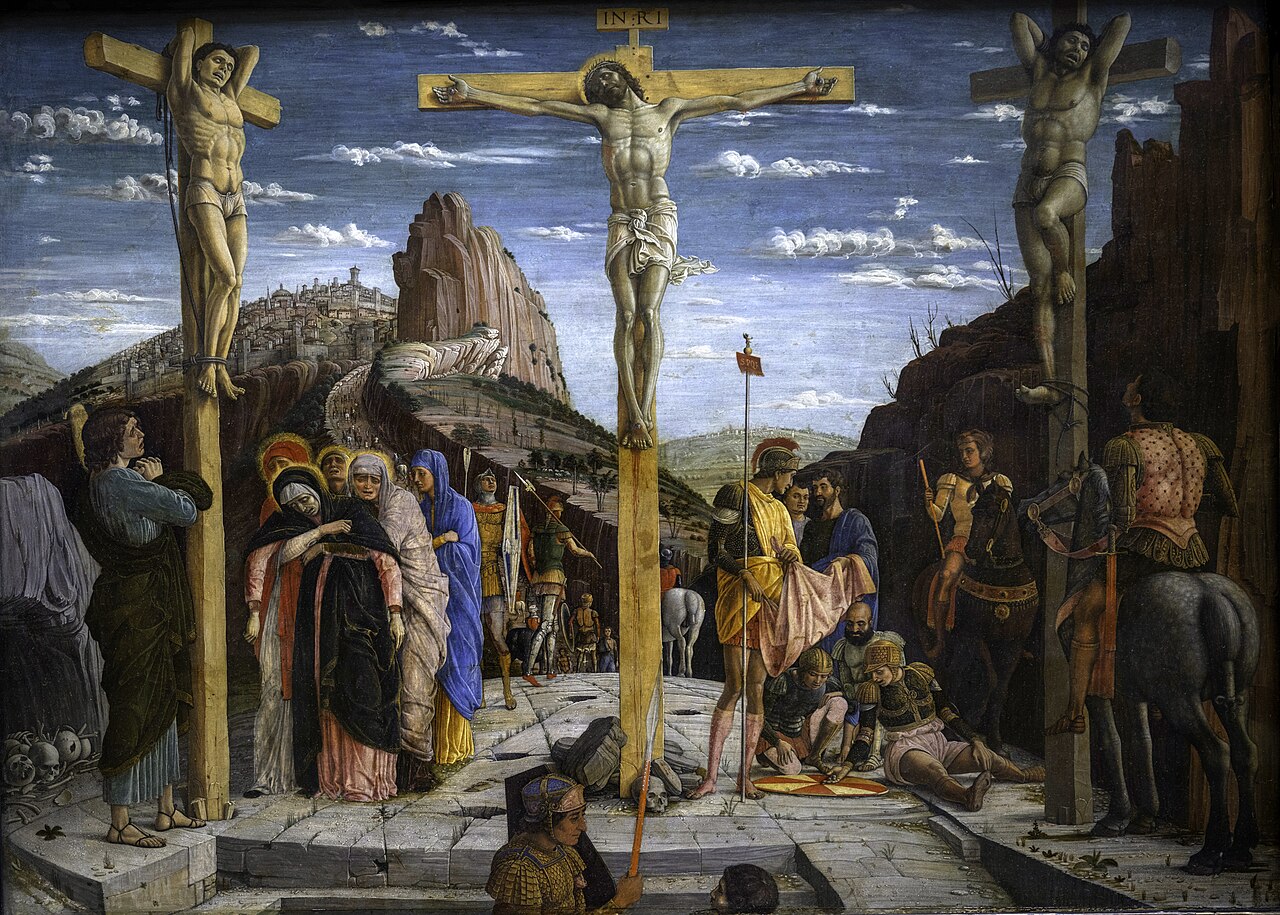
-
How I Use AI to Preview Movies
Or, why I hardly ever read movie reviews anymore Several times a week, I want a yes/no answer as to whether I would like a given movie. You see, one of my habits
15 minutes
-
What is Plato’s positive argument from self-motion?
This is the longest answer I wrote, in the first month of writing for Seminarium Theologico-Philosophicum, commenting on Plato’s Laws, Book X, 893b–899d. We’re about to start Aristotle’s two arguments for a Prime
47 minutes
Support the Knowledge Standards Foundation:

 /larrysanger
- An open reply to Jimmy Wales. He's wrong: Grokipedia won't necessarily be biased; and, obviously, the Trump article is badly biased. First of a series of replies to Jimmy's remarks in this Reason exposé: https://reason.com/video/2026/02/23/can-you-trust-wikipedia/
- I invited my X peeps to ask me questions and then "like" the various questions, and I would upload the answers in video form. Here it is! Christian identity – 1:10 "Call no man teacher" – 9:25 Role of government – 15:45 Authority & resistance – 19:15 Wikipedia labor – 24:20 Net value of Wikipedia […]
- Made for beginners, family, friends, study group members. Most of this stuff is obvious after you use LLMs long enough. If you have more good ideas, put them in comments!