Category: Theory
-
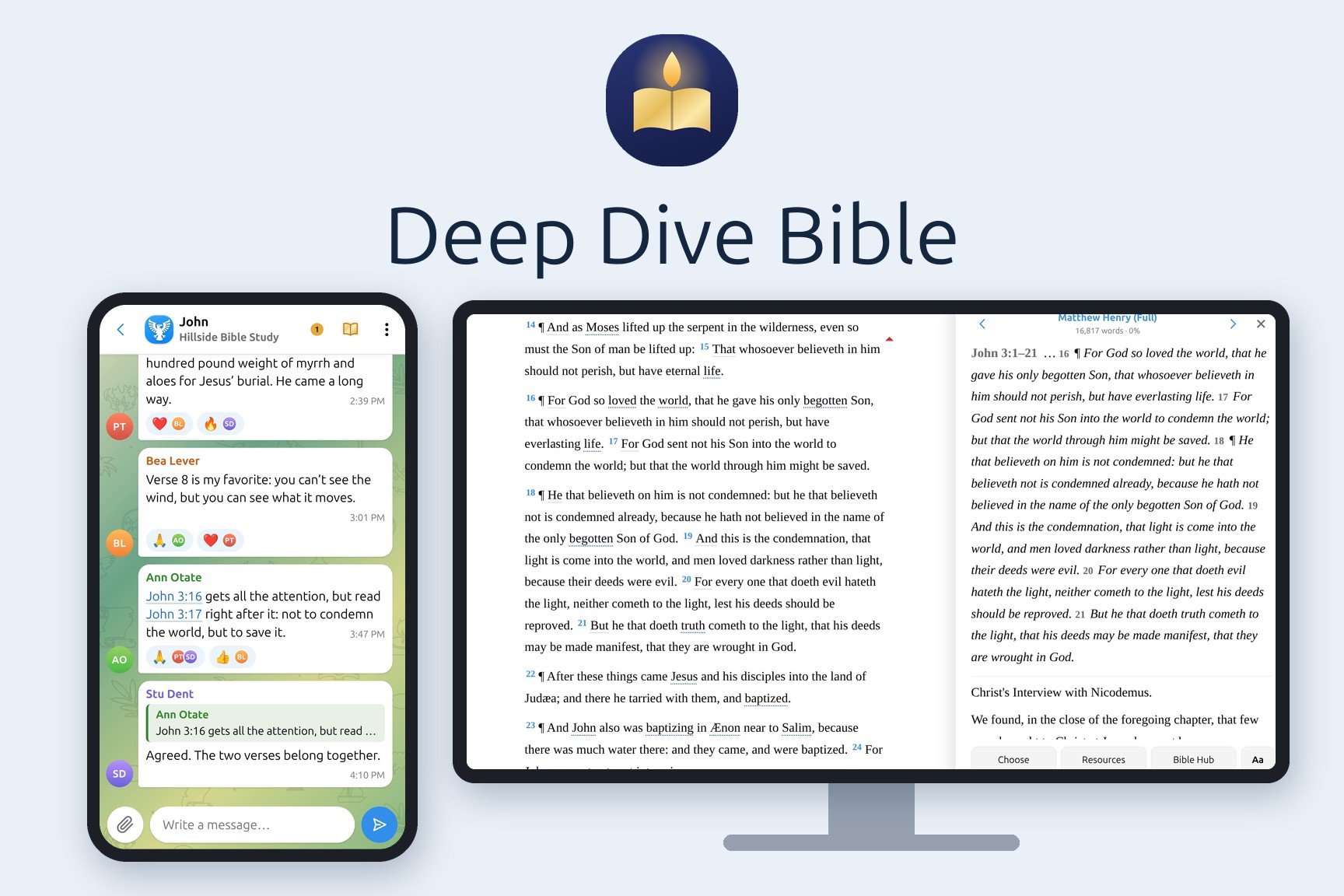
Deep Dive Bible: a new Bible study app
Today I’m launching a new, full-featured Bible study app—not a business enterprise, but a gift to the Church: A full-featured app made in six weeks? While I’m working on other projects? I’m almost as surprised as (I imagine) you are. So, here’s the story of how this project basically popped into existence. Well, maybe it…
-
How to set up your LLM as a Bible study tutor
This post gives you a set of project instructions that turn any major LLM into a surprisingly competent Bible study tutor rooted in traditional, small-o orthodox Christianity. It is a companion to my earlier post, “How to Read the Bible All the Way Through for the First Time.” You copy the instructions, paste them into…

-
Knowledge in an Age of Black Boxes
This is a keynote delivered June 30, 2026, at the Microsoft conference Infinity 365 in Salzburg, Austria. The assignment was to analyze how the transition from Wikipedia to AI would change how we get knowledge. I began by analyzing these (i.e., Wikipedia and AI systems generally) as two more recent epistemic institutions, each with risks,…

-
Where I Disagree with the New Polytheists
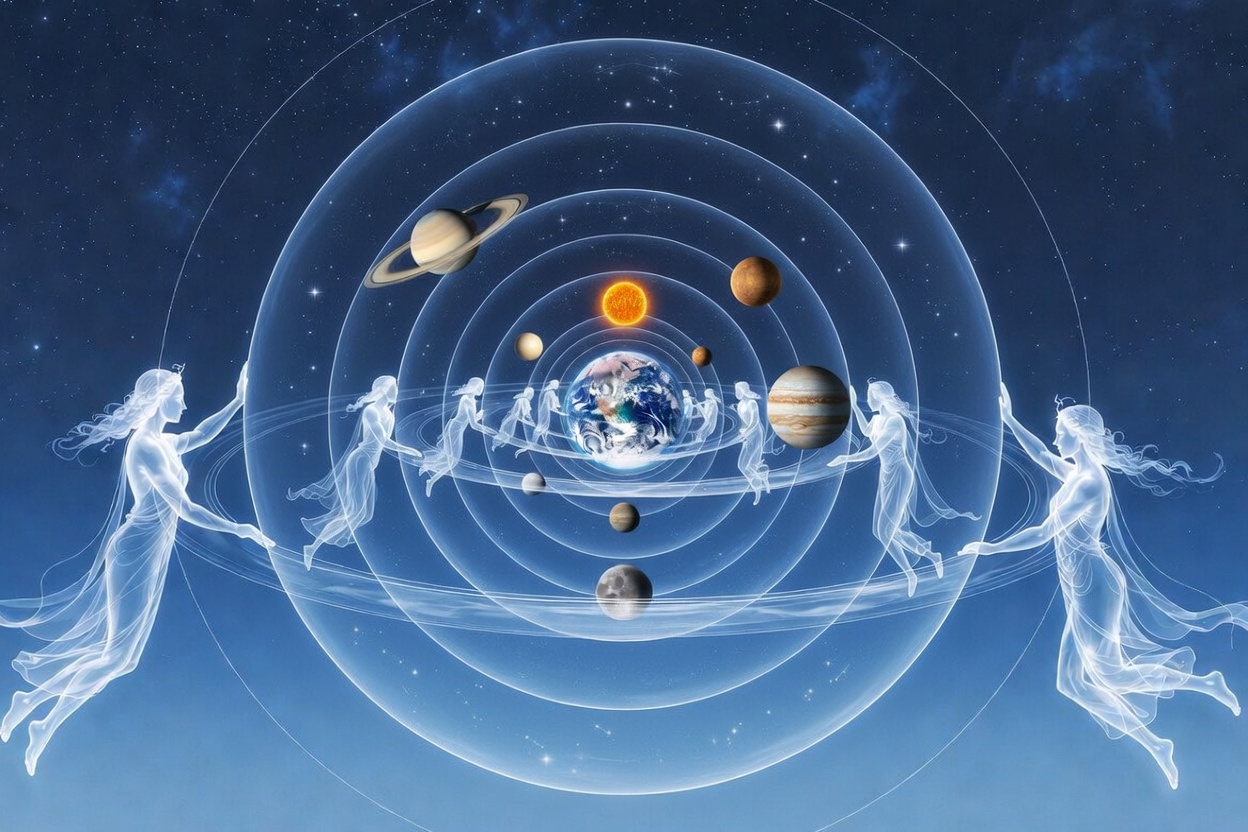
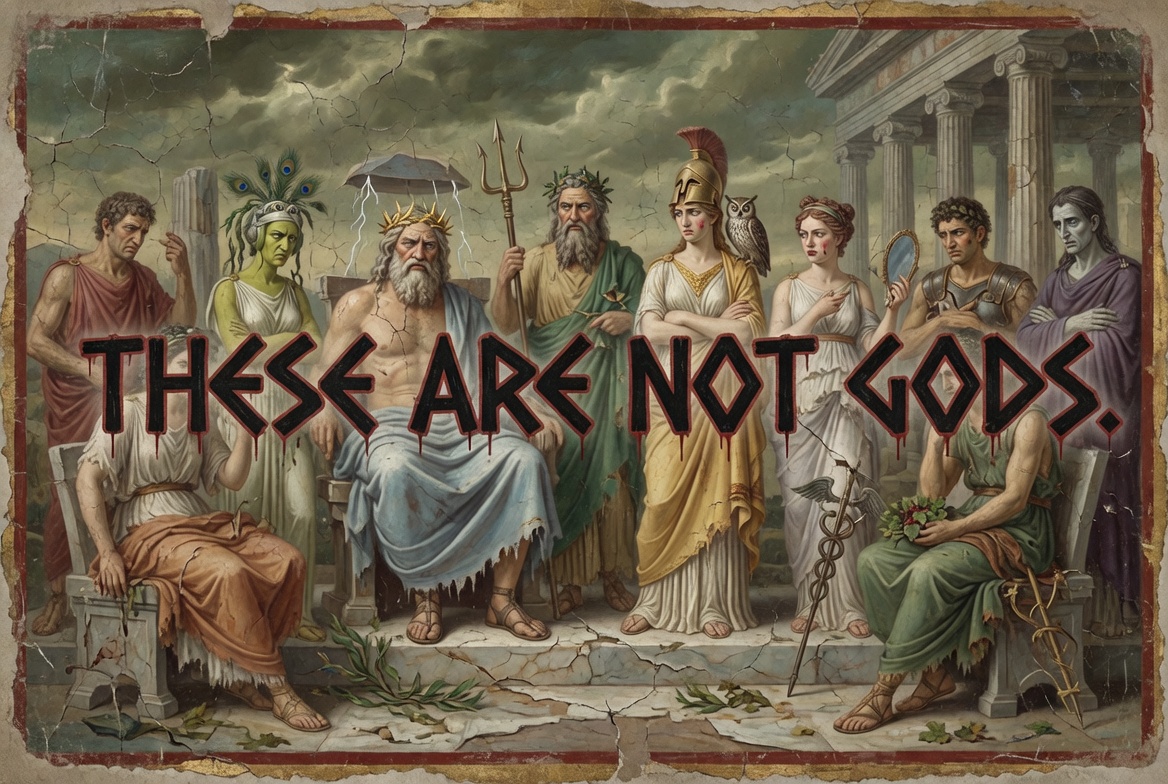
A little over two weeks ago, I wrote a blog post, which was an elaboration of an X.com thread. The topic: How many gods are there? The thread and, to a lesser extent the blog post (although most of those replying didn’t read it), caused a surprising amount of—ahem—controversy. No small part of the controversy…

-
“There is none else beside him”
This is an essay on whether there are multiple gods, according to the Bible. Suffice it to say that there were strong opinions about the May 18 previous version of this; the following day, I revised it, removing the name of a certain Bible scholar. This is just a blog post, not my final word…
-
I’m Dropping “Evangelical”—So What Am I?
[The Seminar is currently closed, but may reopen at a later date. Current members can log in.]

-
The Principles of Reading Order: A Research Program
Abstract: Much of education may be reduced to a sequencing problem: Given a set of books, in what order should they be read? This question admits of surprisingly rigorous treatment. We can identify several distinct types of dependency between books—topical, historical, procedural, motivational, and supplemental—and state principles governing each. These principles in turn suggest a…

-
Seminarium Theologico-Philosophicum: Update and Invitation
We are well into our study of Aristotle in the Seminarium Theologico-Philosophicum (STP), my reading group in philosophy of religion and philosophical theology. This is hard, but essential to our task. But, you might ask, what is our task? Why would anybody spend weeks reading Aristotle’s Physics and Metaphysics? What we are doing I have…
-
A Harmony of the Passion Story
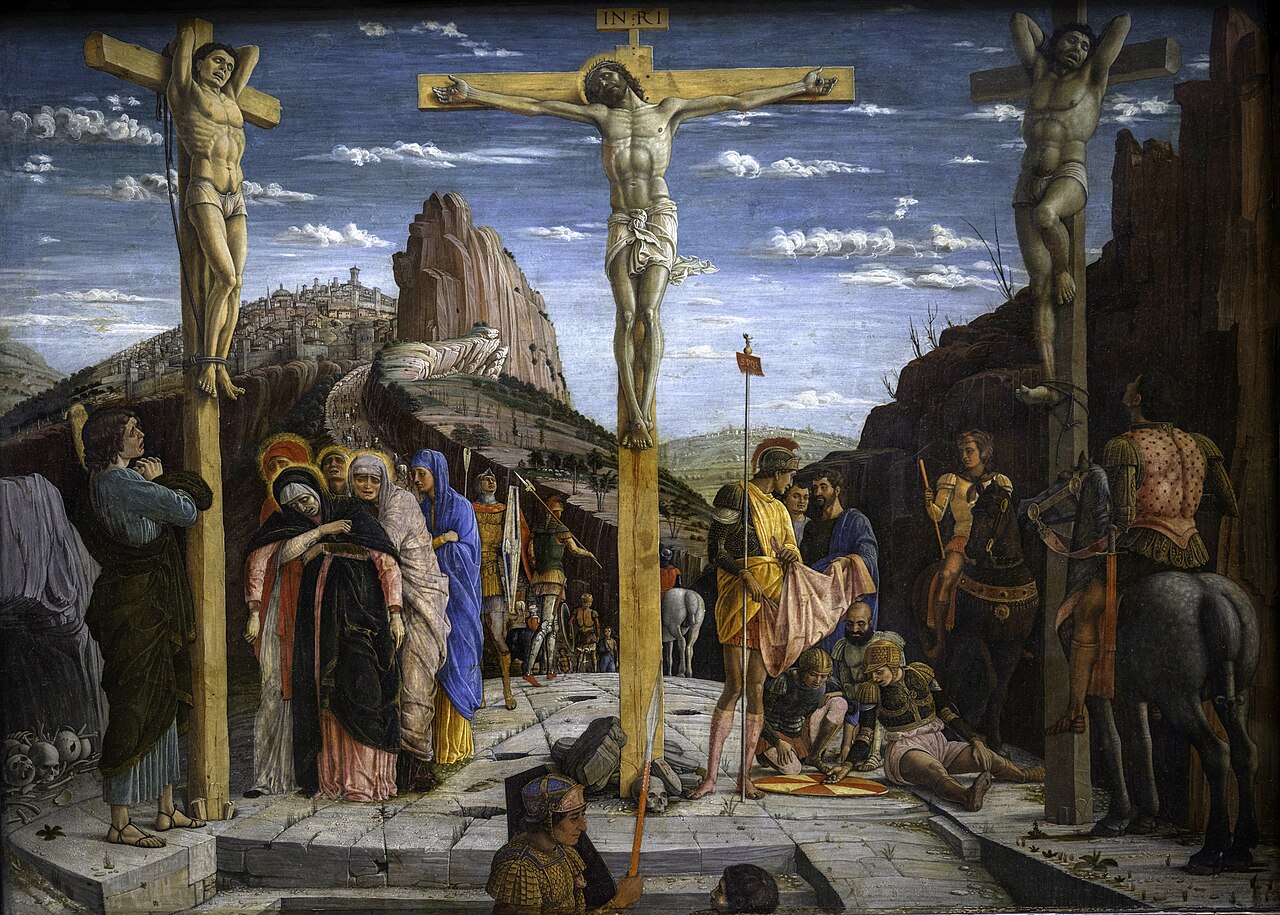
The following is a new “synthetic” Harmony of the Gospels—covering the passion story through the end of all four gospels. Following the harmony itself I will give notes on how I prepared this, defending various choices, etc. I aim to write an essay later explaining what can be learned from this sort of exercise. In…
-
What is Plato’s positive argument from self-motion?
This is the longest answer I wrote, in the first month of writing for Seminarium Theologico-Philosophicum, commenting on Plato’s Laws, Book X, 893b–899d. We’re about to start Aristotle’s two arguments for a Prime Mover. (First chunk to read: Physics II.1–3.) [The Seminar is currently closed, but may reopen at a later date.] This may also…