Month: February 2026
-
Plato, Timaeus
Plato, Timaeus We have various editions for you. [The Seminar is currently closed, but may reopen at a later date. Current members can log in.]
-
Timaeus 28b–c: What is Plato’s argument that there is a “maker and father of this universe of ours”?
[The Seminar is currently closed, but may reopen at a later date. Current members can log in.]
-
Timaeus 27d–28b: Why suppose the objects of sensation do not really have “being”?
[The Seminar is currently closed, but may reopen at a later date. Current members can log in.]
-
On genuine neutrality versus enforced consensus
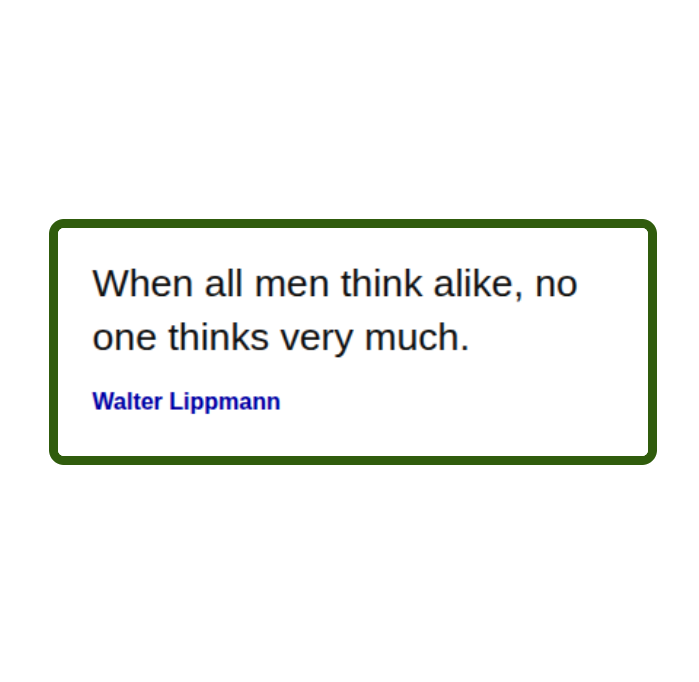
There is a very serious problem about what goes under the title “consensus” in Wikipedia. Does not the very fact that a supposed consensus can represent a single, controversial position, and that it needs enforcement, suggest that it is not really consensus at all—and that the enforced position is not, in fact, neutral?
-
Timaeus 27d–28a: How does Plato distinguish between being and becoming?
[The Seminar is currently closed, but may reopen at a later date. Current members can log in.]
-
Timaeus 26e–28a: What relationship, if any, is there between the speeches by Critias and Timaeus?
[The Seminar is currently closed, but may reopen at a later date. Current members can log in.]
-
Timaeus 21d–26e: How well does Critias’ story of prehistoric Athens actually illustrate Socrates’ ideal city?
[The Seminar is currently closed, but may reopen at a later date. Current members can log in.]
-
Timaeus 19b–26e: What is the point of Critias’ long speech?
[The Seminar is currently closed, but may reopen at a later date. Current members can log in.]
-
Timaeus 17b–19a: Does the description of the previous day’s conversation suggest it was that of the Republic?
[The Seminar is currently closed, but may reopen at a later date. Current members can log in.]
-
For Pardon
[The Seminar is currently closed, but may reopen at a later date. Current members can log in.]